
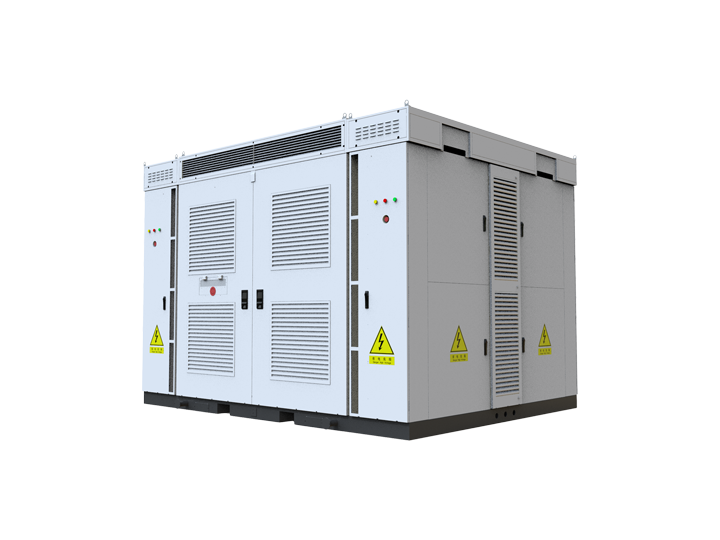
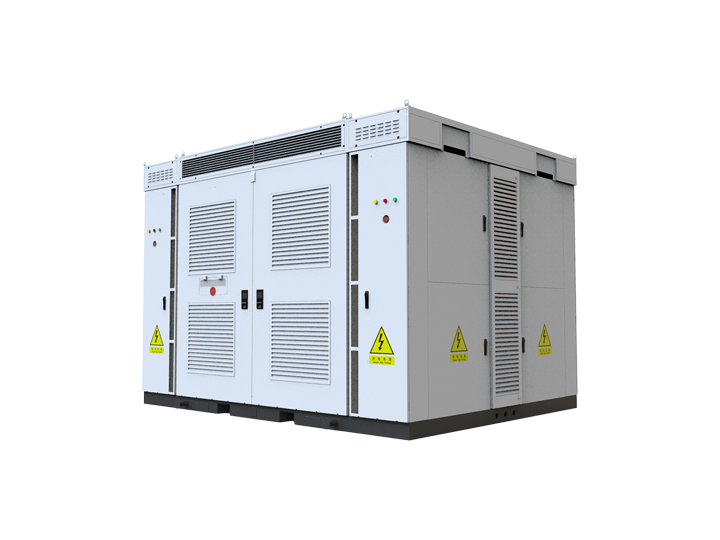
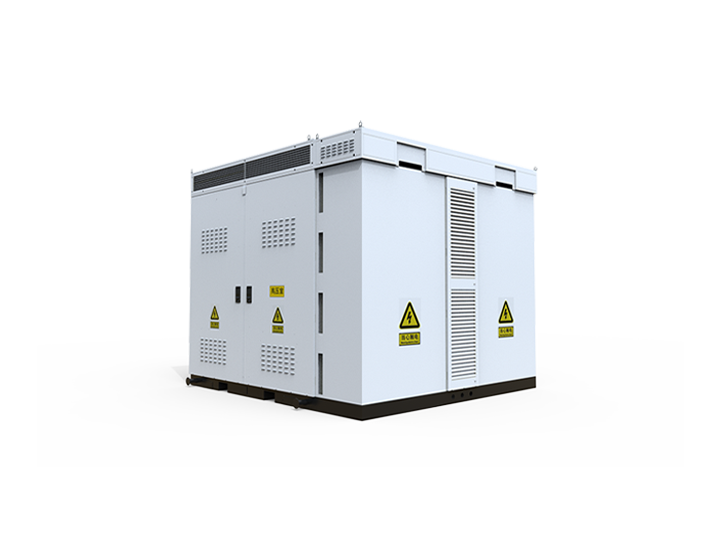
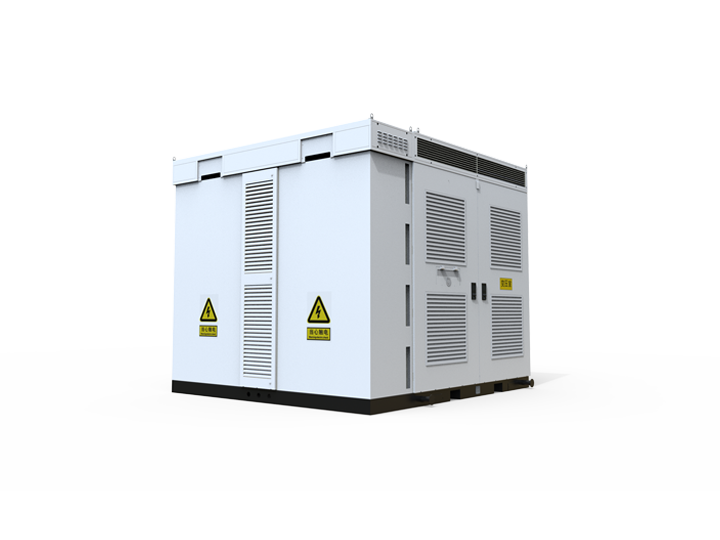
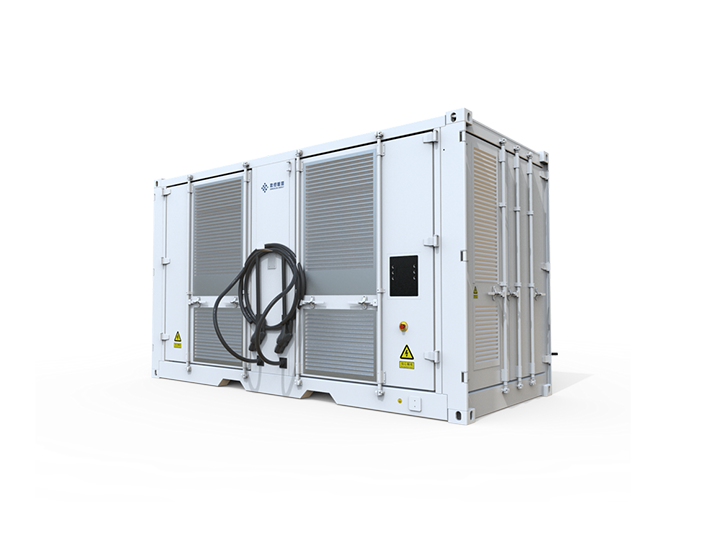
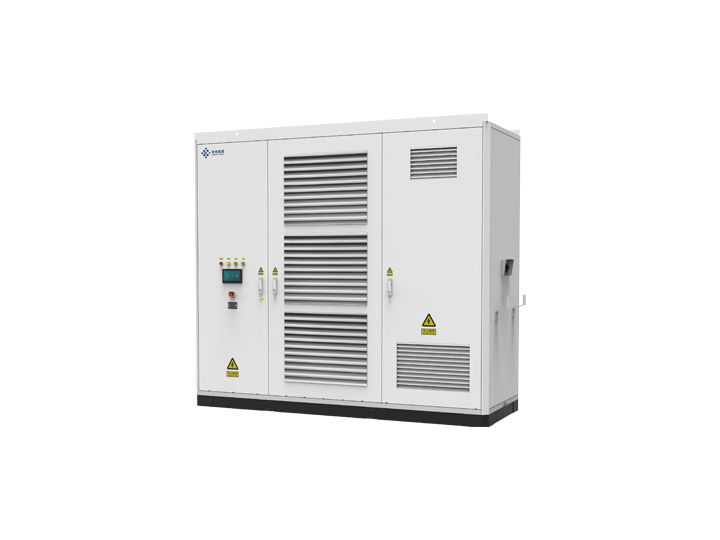
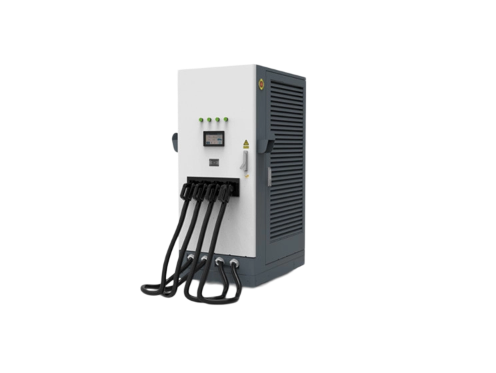
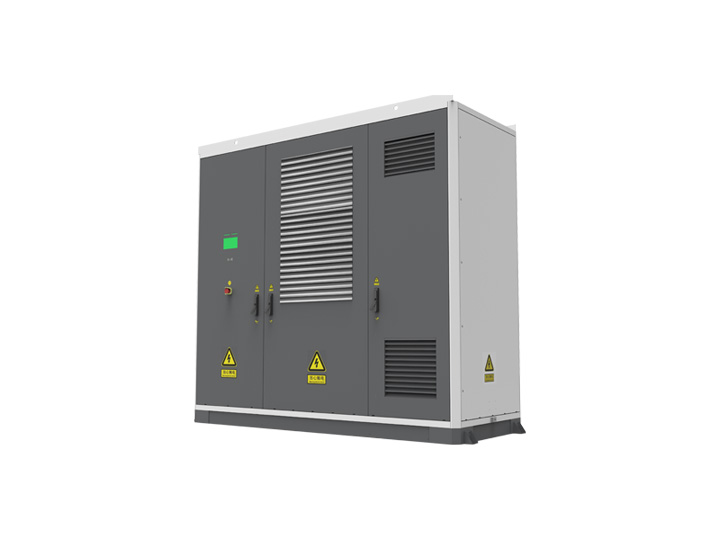
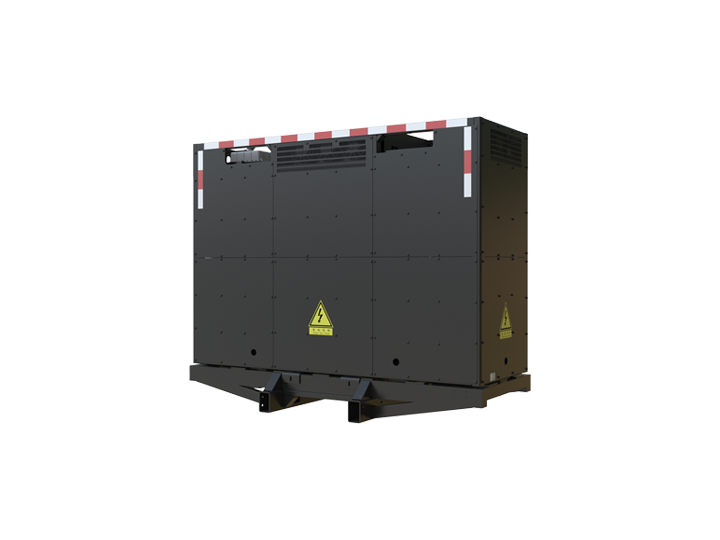
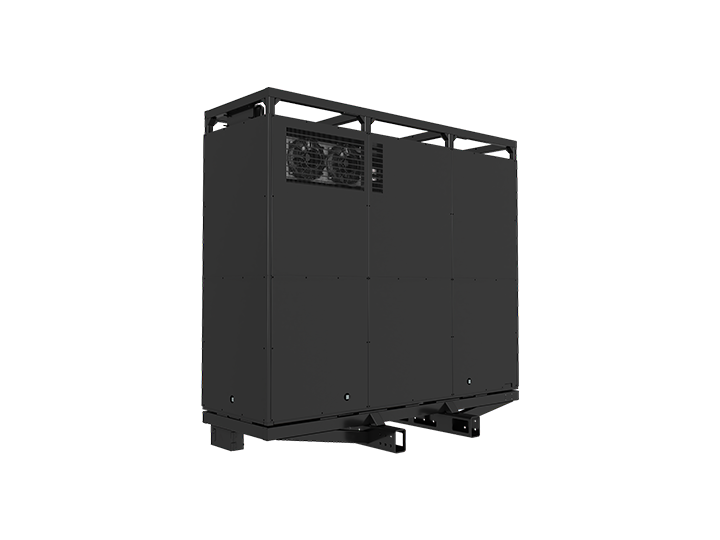
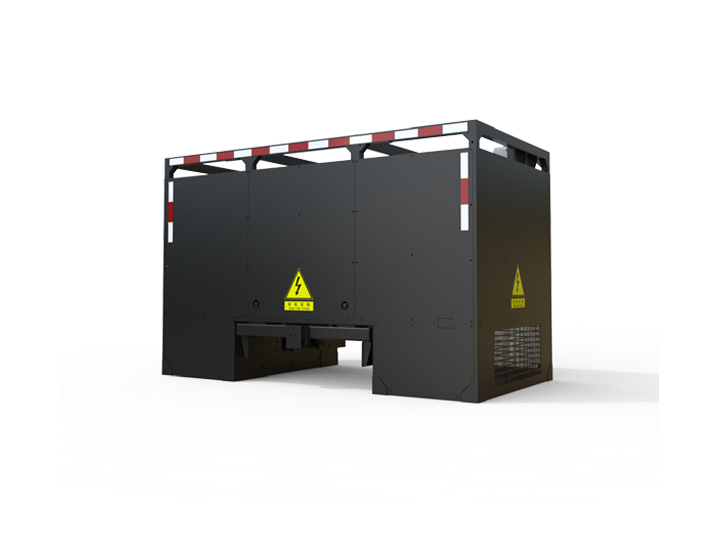
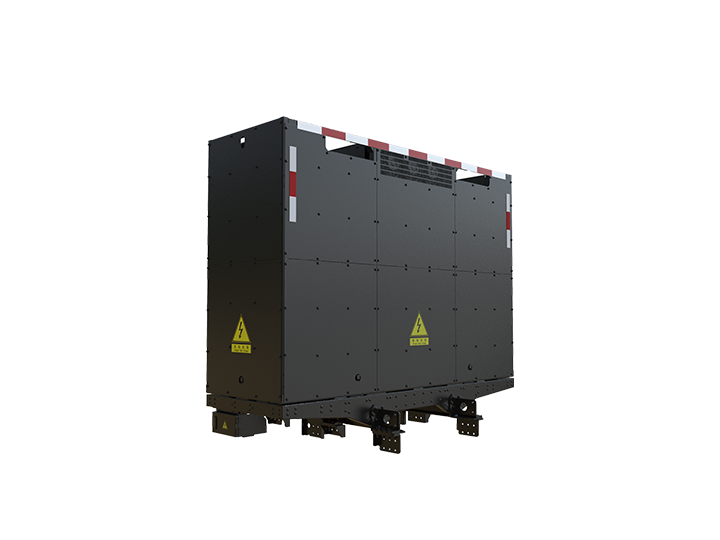
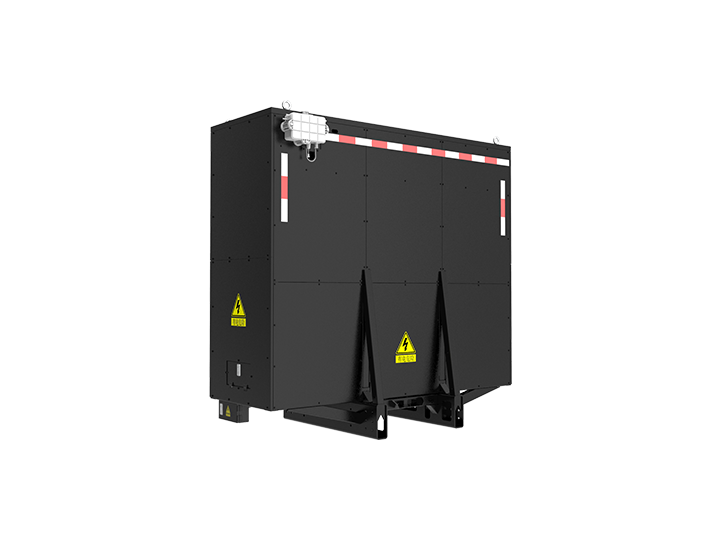
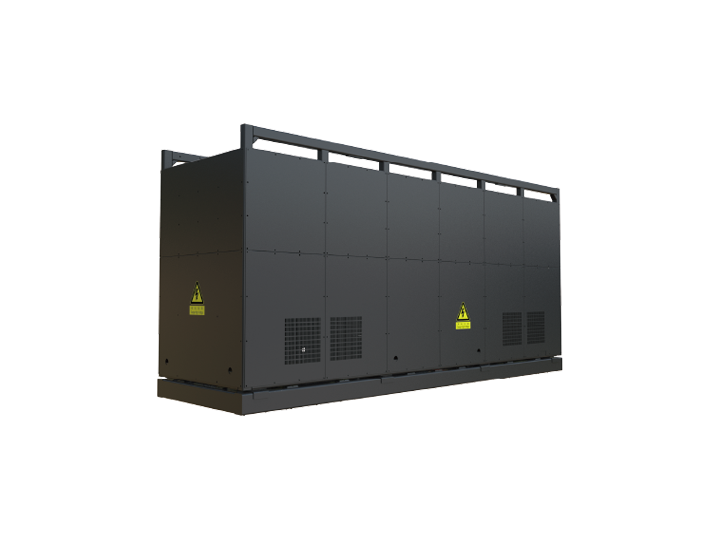
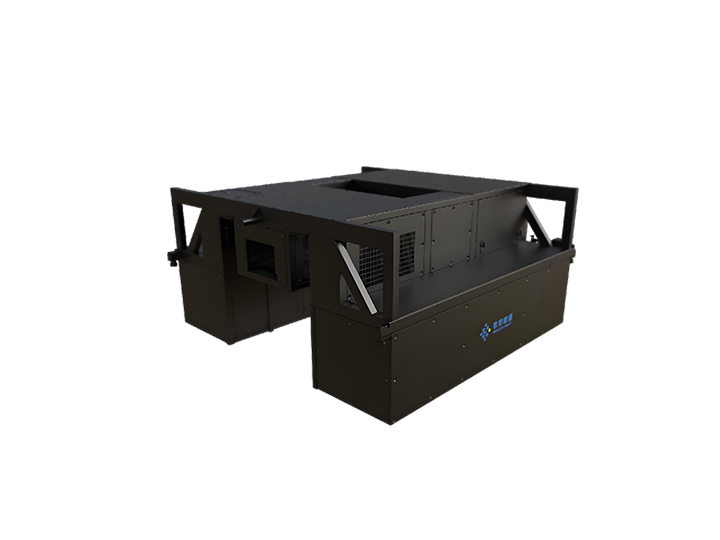
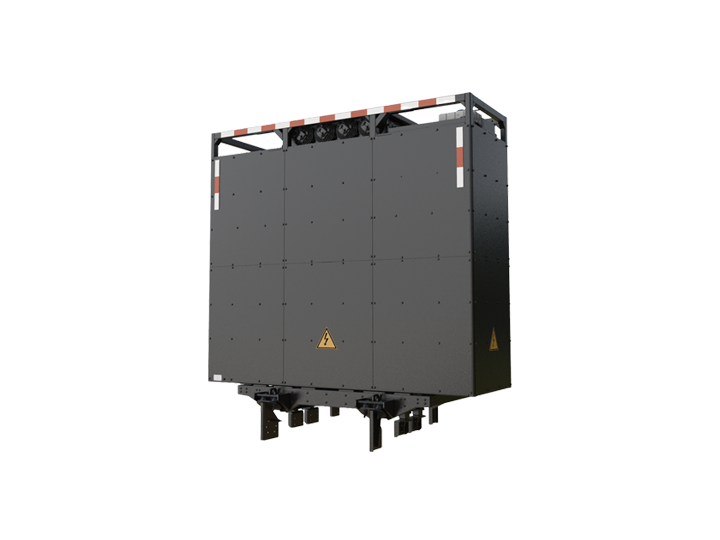
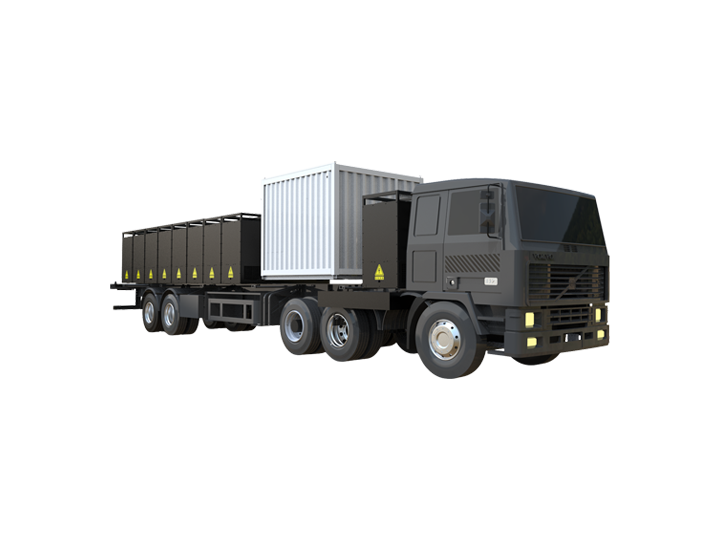
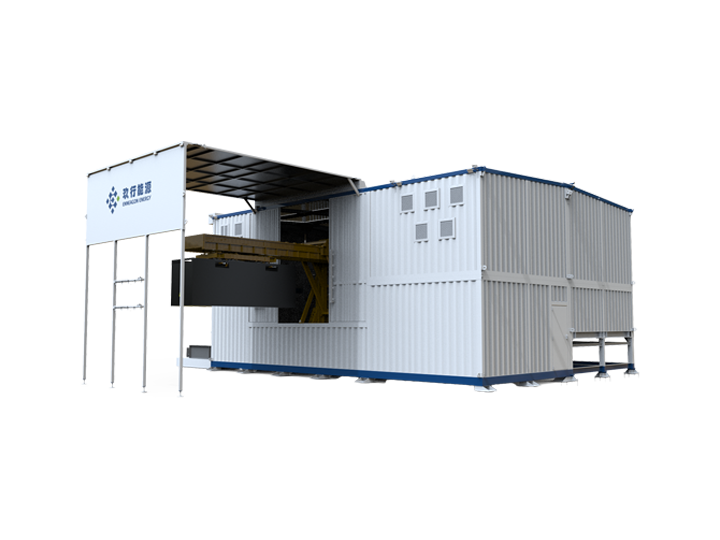
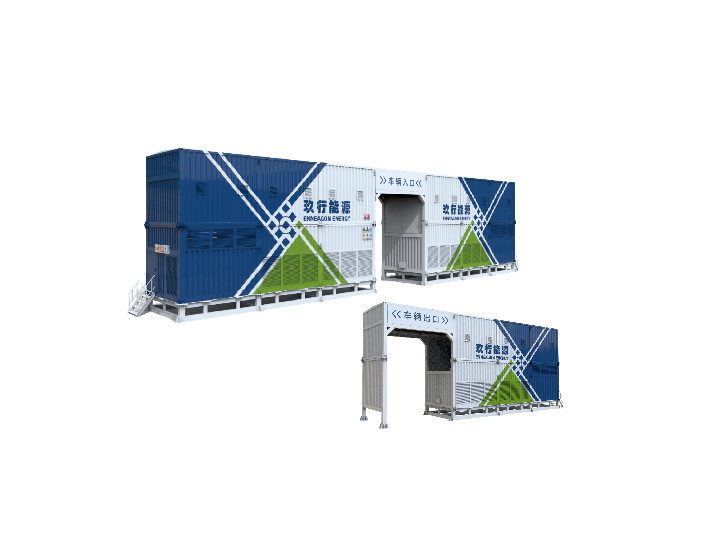
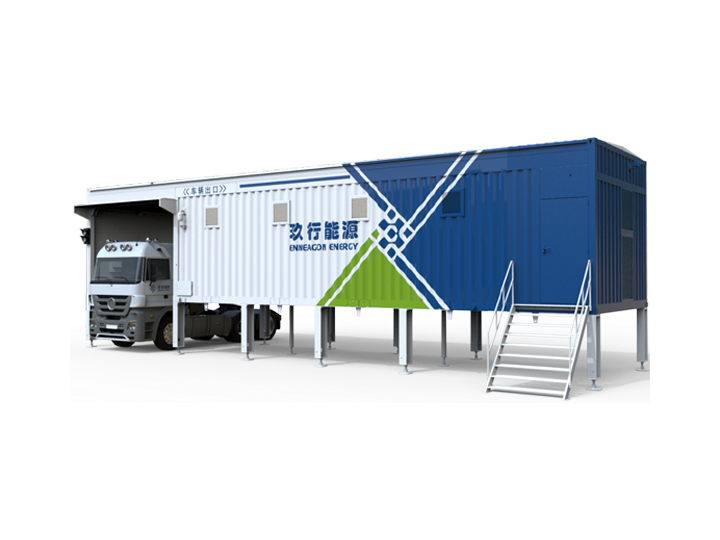

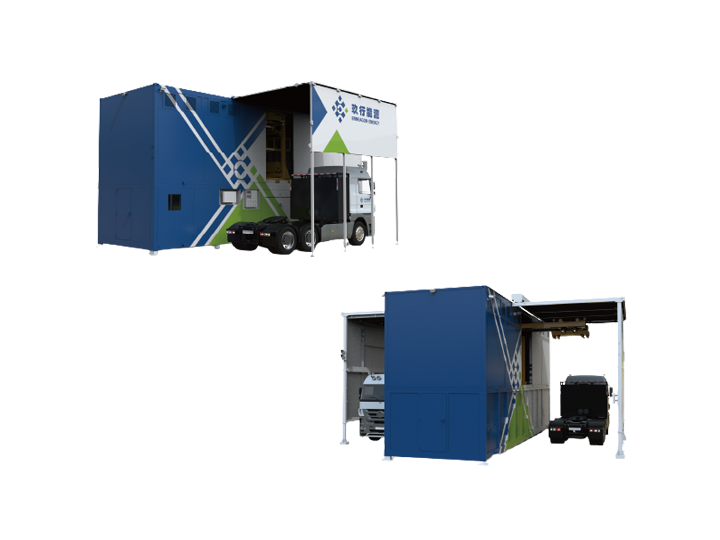
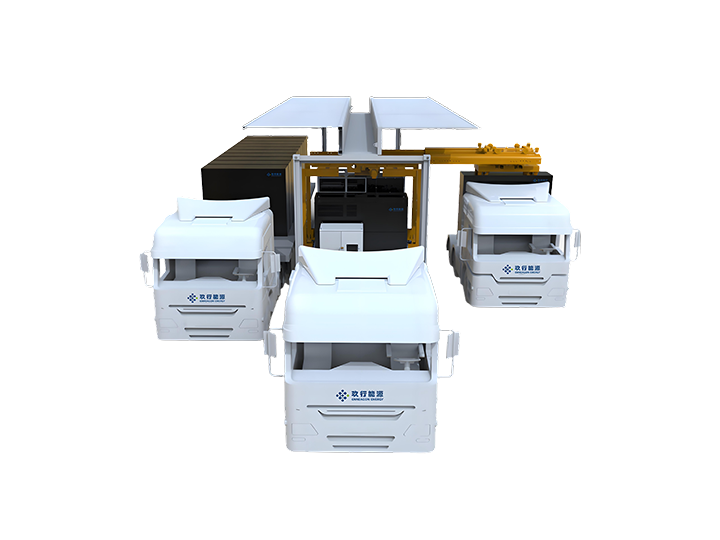
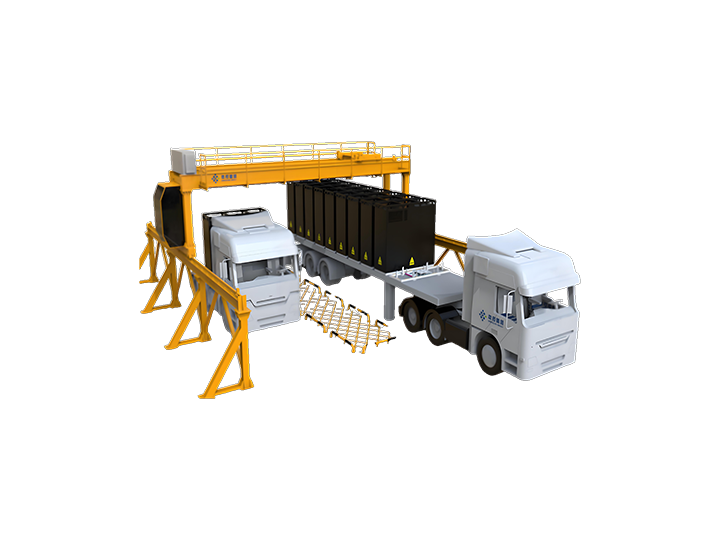
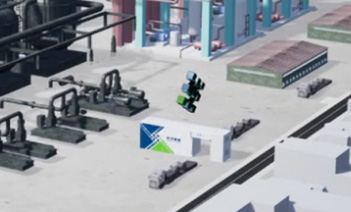
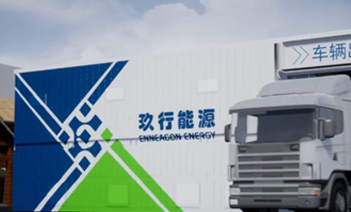
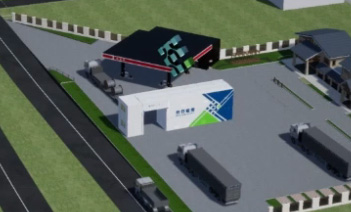
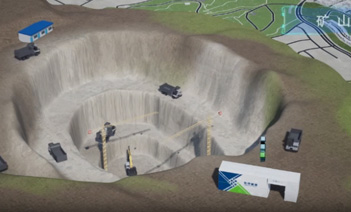







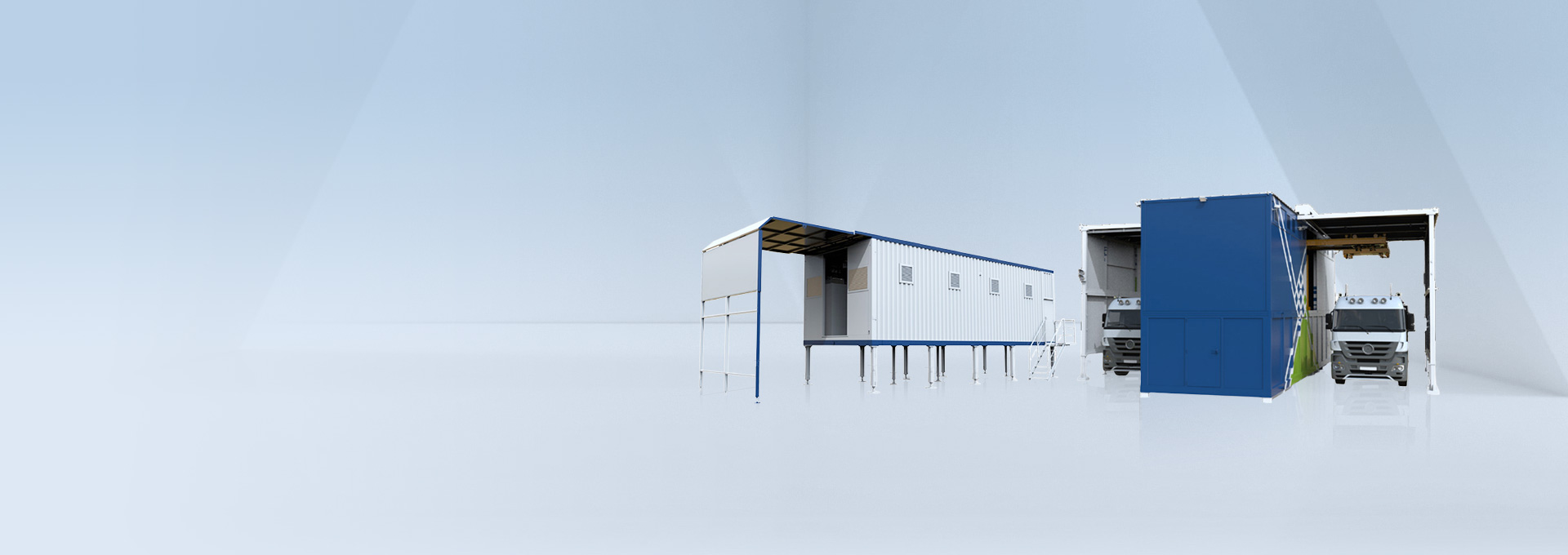
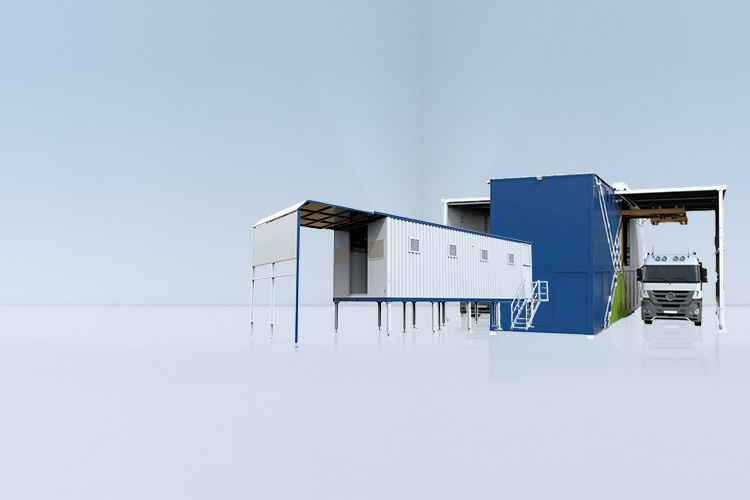

Separation of charging and replacement for construction, low civil engineering requirements, no foundation pit
Support the establishment of microgrids as energy storage and consumption points, which can be charged and discharged
Matching the delivery and exchange of electric vehicles significantly improves the service capacity of the exchange station
Supports rapid expansion and can support 14 workstations
Support customization, fully compatible with various types of battery boxes
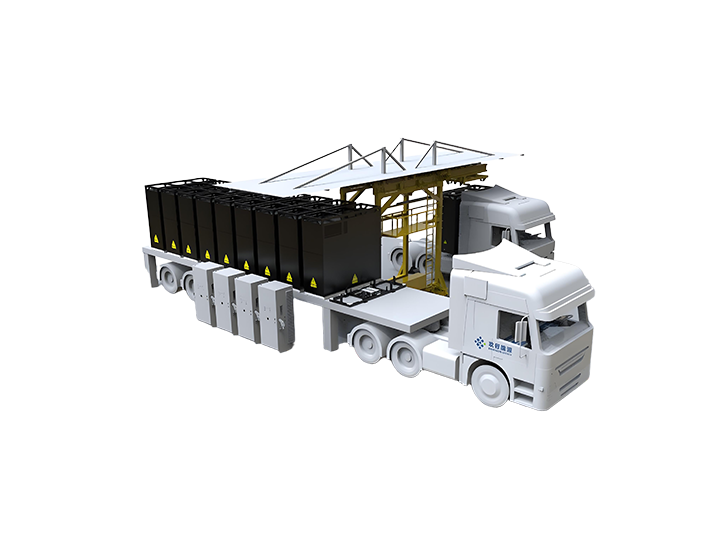
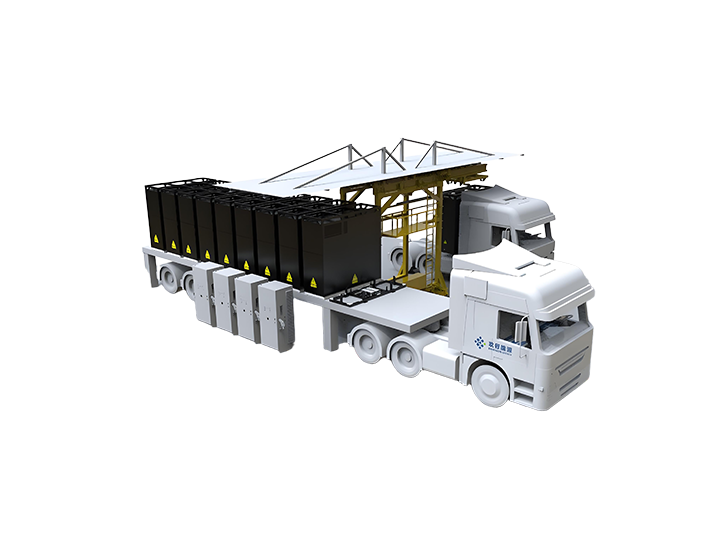

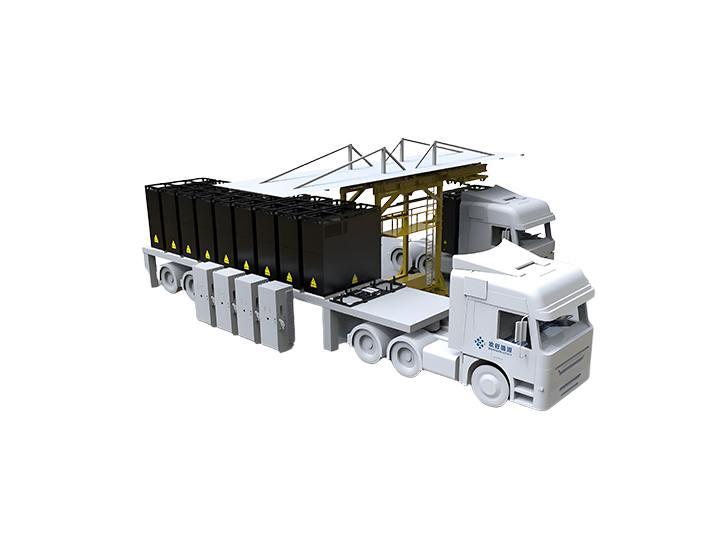
Flexible and diverse combinations, strong adaptability to different scenarios

Matching the delivery and exchange of electric vehicles significantly improves the service capacity of the exchange station, meeting the needs of high load places such as main lines

Adopting mature and reliable battery swapping robots, supporting multi vehicle hybrid swapping

Support customization

Parallel layout facilitates entry and makes parking easier

Support the establishment of microgrids as energy storage and consumption points, which can be charged and discharged
|
Name |
Side-Reaching Overhead Crane |
|
Battery Swap Time |
≤6min |
|
Standard Battery |
282 / 284 / 350 / 400 / 600 kWh |
|
Number of Charging Bays |
7 bays + 1 transfer bay |
|
Service Capability |
200 vehicle swaps per day |
|
Charging Cabinet Power Rating |
/ |
|
Charging Current |
/ |
|
Distribution Capacity |
/ |
|
Operating Temperature Range |
-20°C ~ 55°C (Extreme cold: -40°C ) |
|
Operating Humidity Range |
5% ~ 95%RH |
|
Operating Altitude |
≤2000m(High-altitude version ≤4000 m) |
|
Wind Resistance Rating |
≤Level 14 |
|
Seismic Resistance Grade |
Seismic design intensity ≤ 7 degrees, ≤ 0.15g |
|
Whole-Site Protection |
/ |
|
Standard Edition Dimensions |
Customizable |

- Product
- Power Electronics & Control
- Charging Equipment
- Battery Pack Assembly
- Battery Swapping Equipment
- Cloud Platform
400-077-7126
No.258 Xupan Road, Jiading District, Shanghai.
info@enneagon.com
-

Follow official account
-

Charging Mini Program
沪ICP备15024026号-1